Antisemitism is Spreading in K-12 Schools. Is Higher Ed to Blame?
Spring 2026 Lecture with Dr. Brandy Shufutinsky
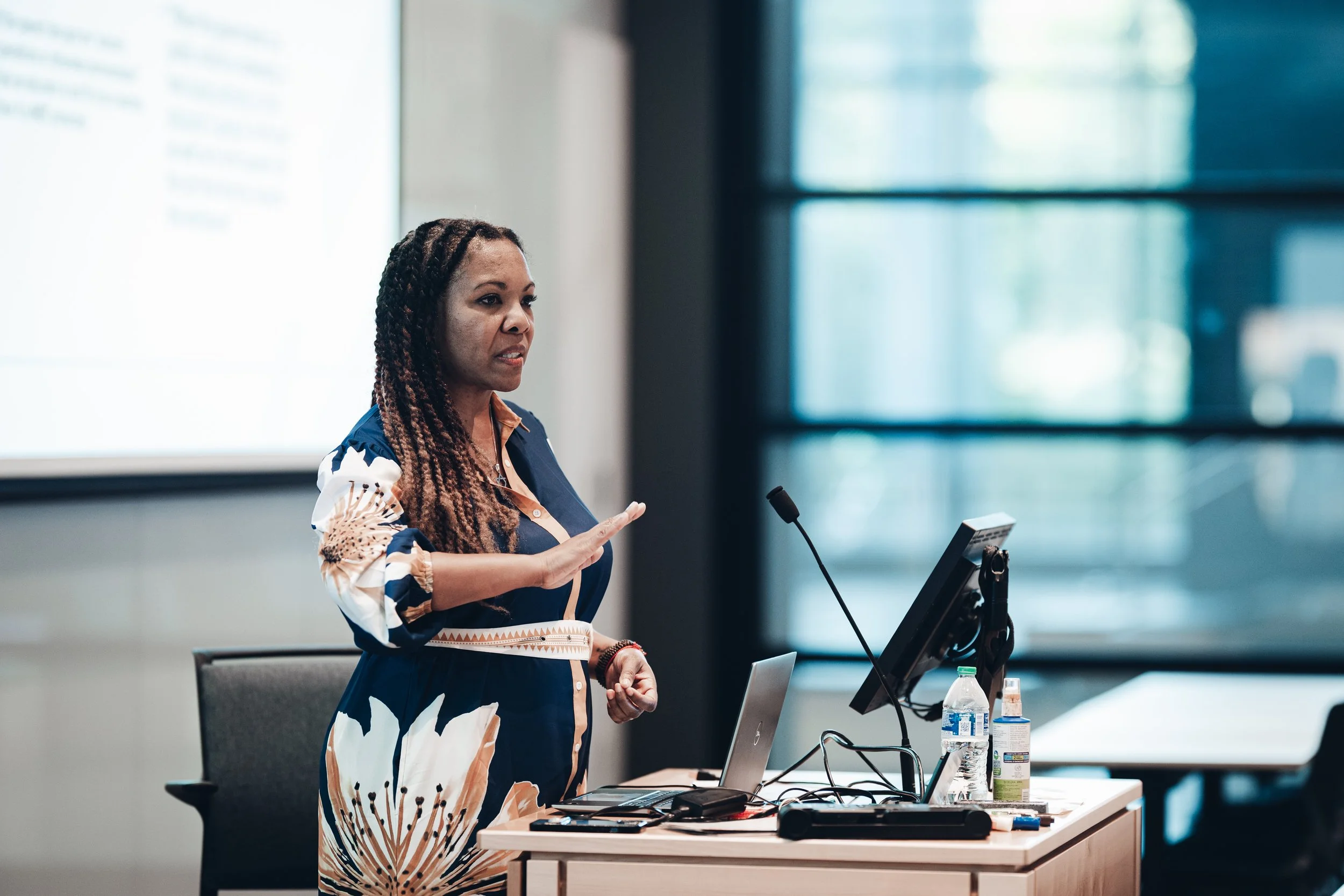
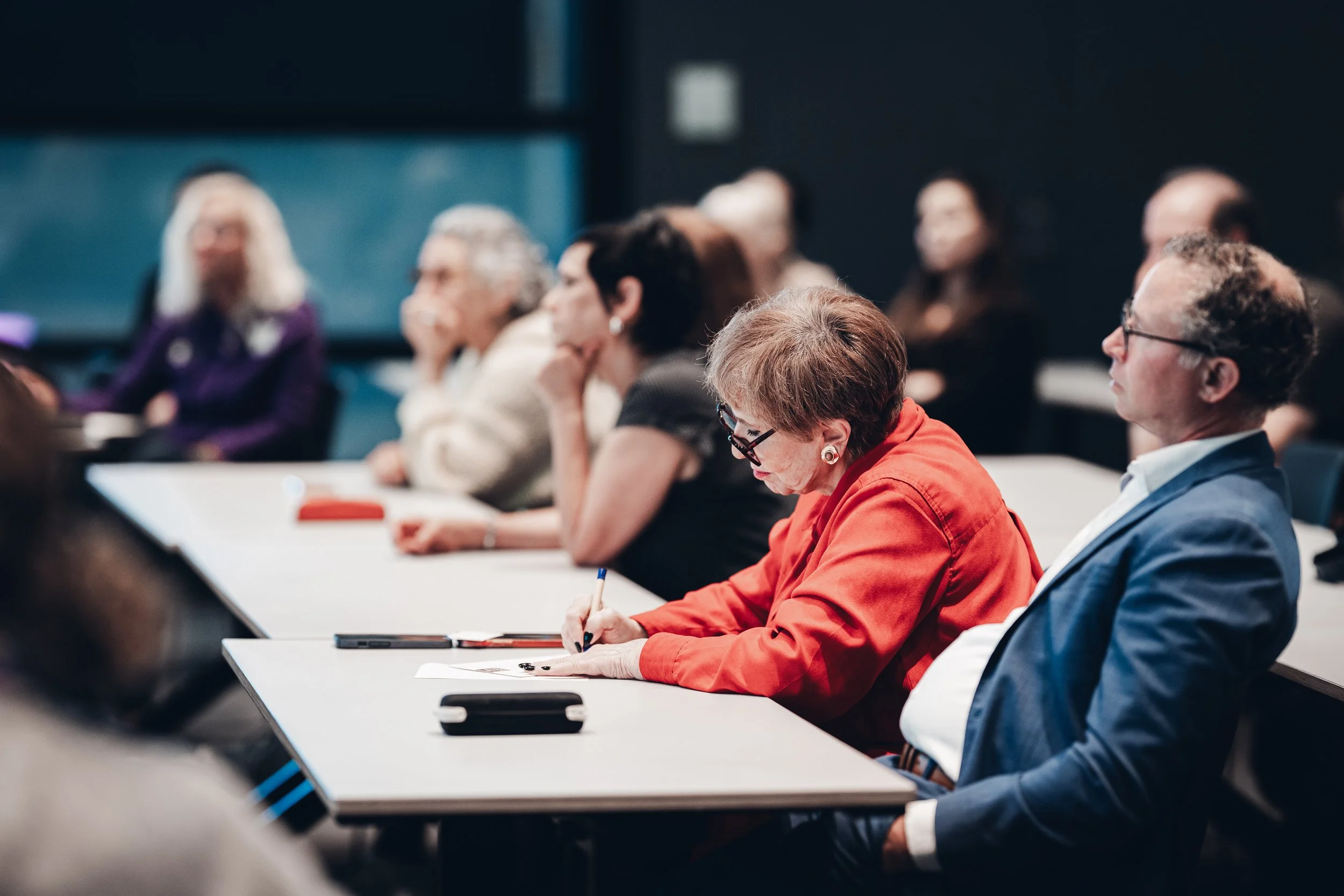
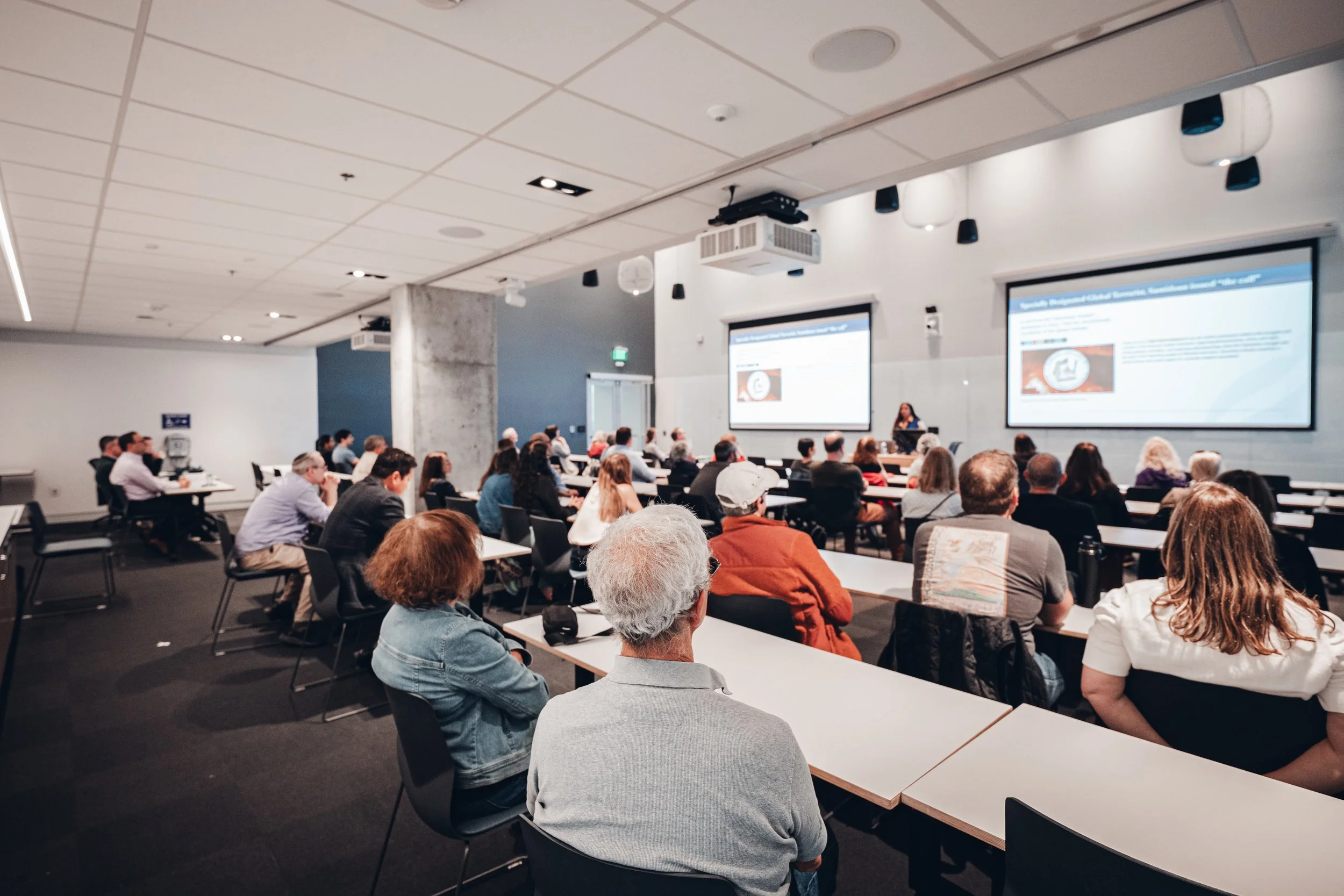
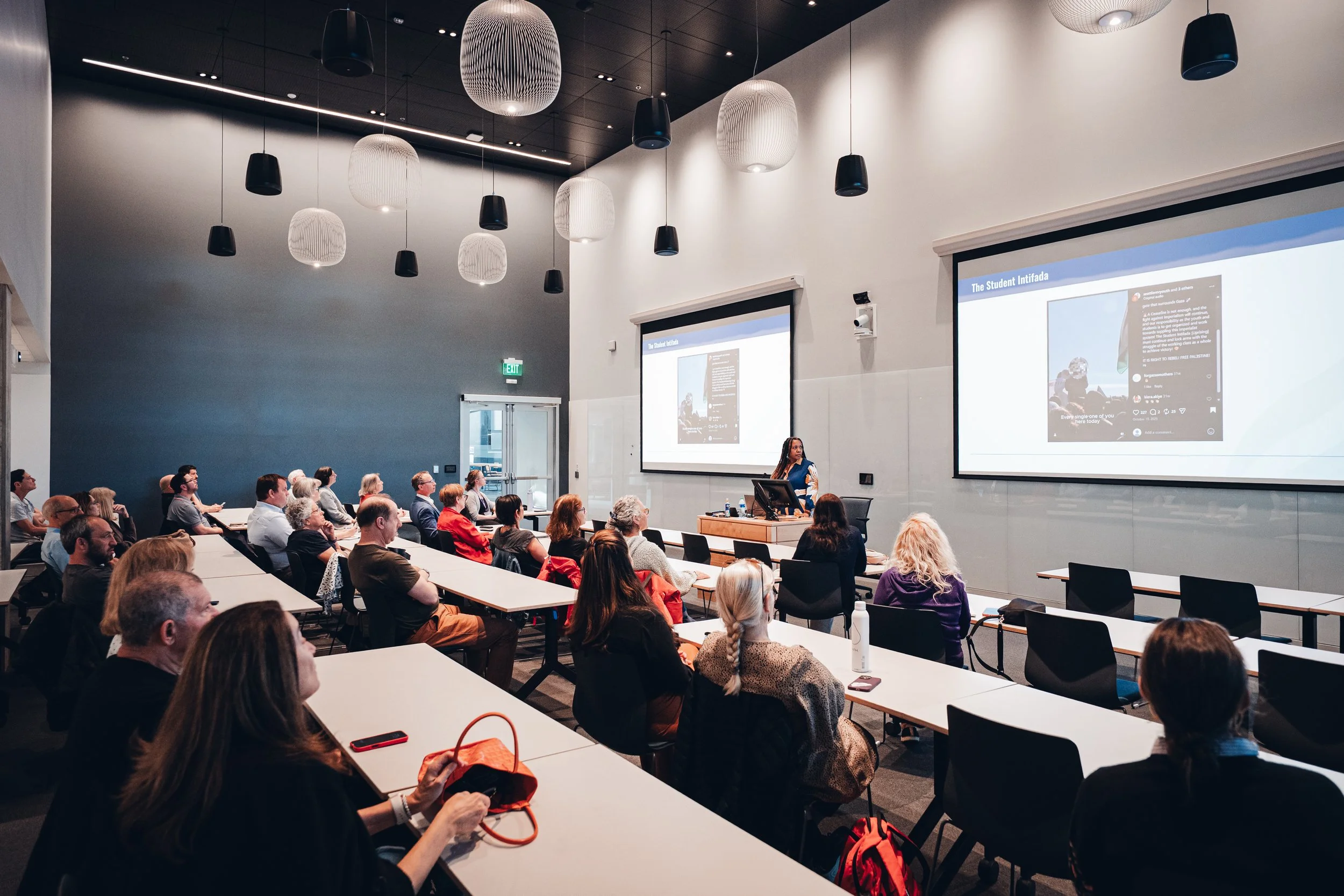

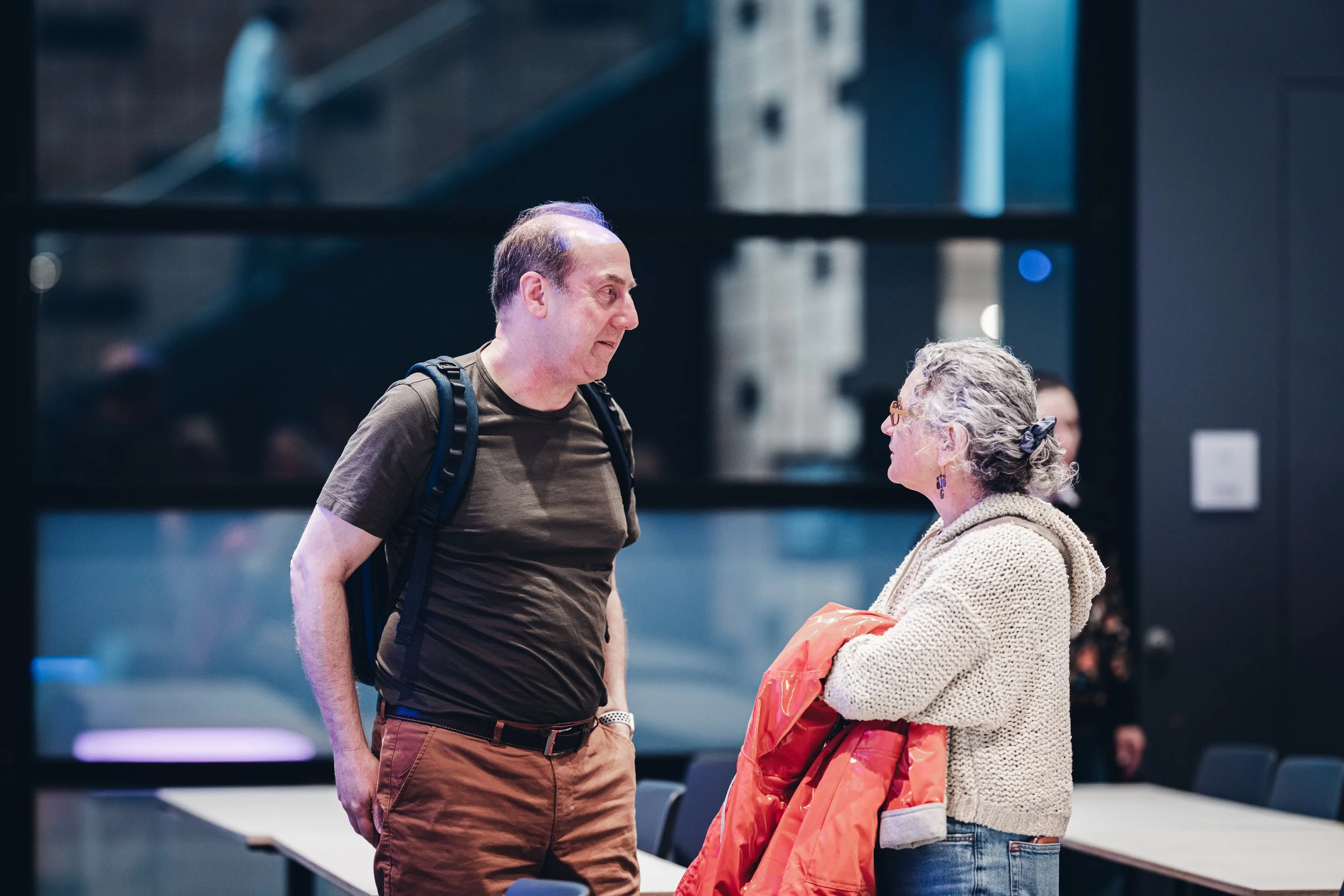
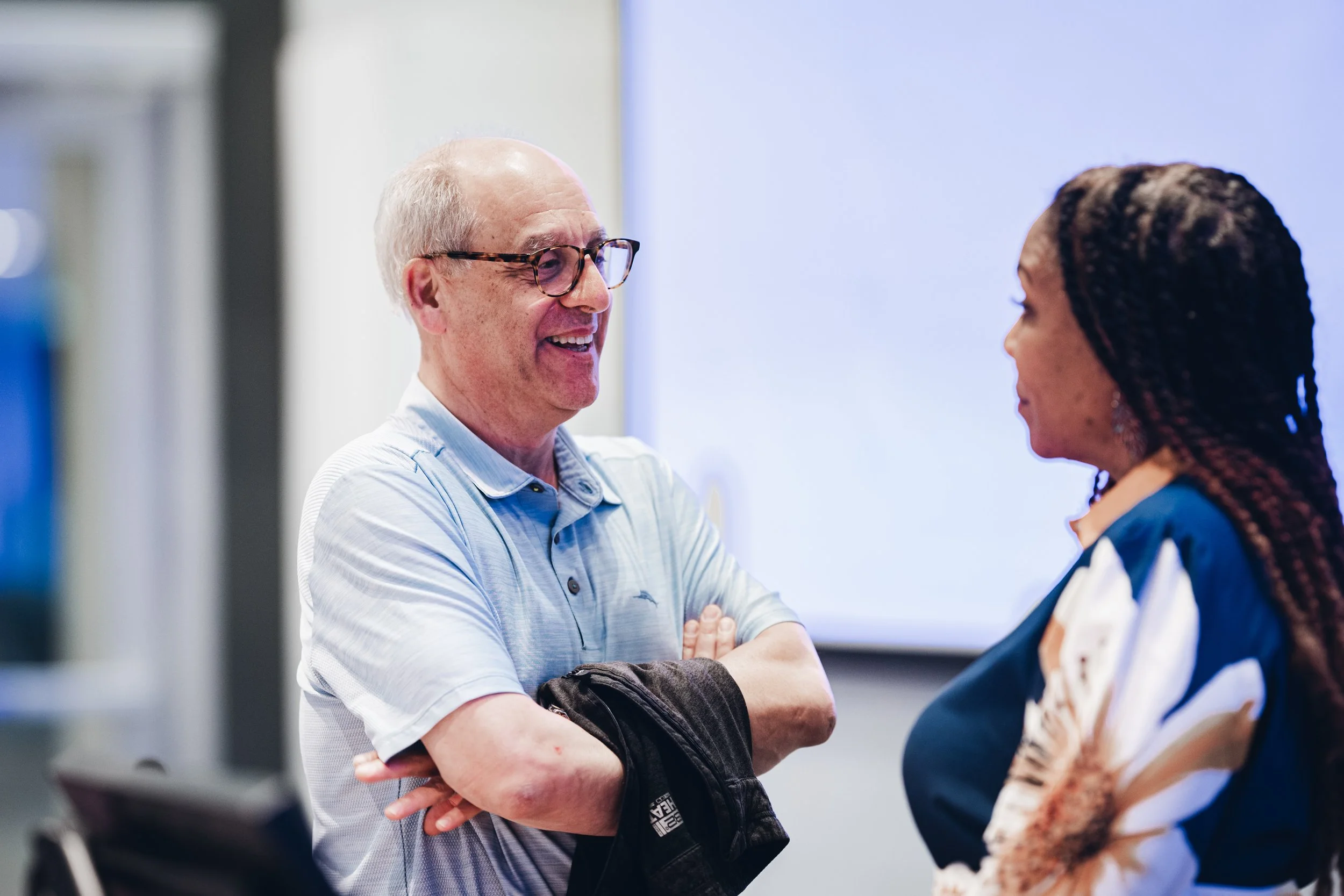
On May 27, a full audience gathered at the University of Washington for a lecture examining the spread of antisemitism in K–12 education and the role higher education may play in shaping those trends. The event featured Dr. Brandy Shufutinsky, Director of the Education and National Security Program at the Foundation for Defense of Democracies (FDD), whose research focuses on the intersection of education, ideological frameworks, and democratic institutions. At a moment when debates over activism, curriculum, political influence, and civil rights in schools are increasingly shaping public life, the lecture brought a timely and important national conversation directly onto the UW campus.
Drawing on recent FDD research, Dr. Shufutinsky traced connections between campus activism, educator networks, outside funding streams, and student walkouts that emerged in schools following the October 7 attack on Israel. She presented evidence suggesting that many incidents widely perceived as isolated or spontaneous shared common organizing structures, messaging, protest materials, and slogans that appeared across campuses and school districts nationally, including in Washington state. The lecture examined how activist frameworks originating in higher education can move into K–12 environments through educator training programs, curriculum networks, and external organizations. Dr. Shufutinsky also discussed connections between activity at UW, including organizations affiliated with SUPER UW and Samidoun, and subsequent student walkouts in regional schools.
At the same time, Dr. Shufutinsky emphasized that many K-12 teachers themselves are navigating these challenges without adequate institutional support or preparation. She argued that many educators are trained within educational systems shaped by broader institutional and funding influences that are often not fully visible at the classroom level, and are then asked to navigate increasingly politicized environments shaped by forces extending far beyond any individual school or teacher.
Her central policy recommendation was direct and specific: removing foreign influence and funding from public education systems in order to restore greater transparency, accountability, and institutional independence.
The discussion continued well beyond the lecture itself, evolving into an extended seminar-style exchange on how educational institutions should navigate questions of free speech, civil rights, academic freedom, foreign influence, and political activism within schools and universities.
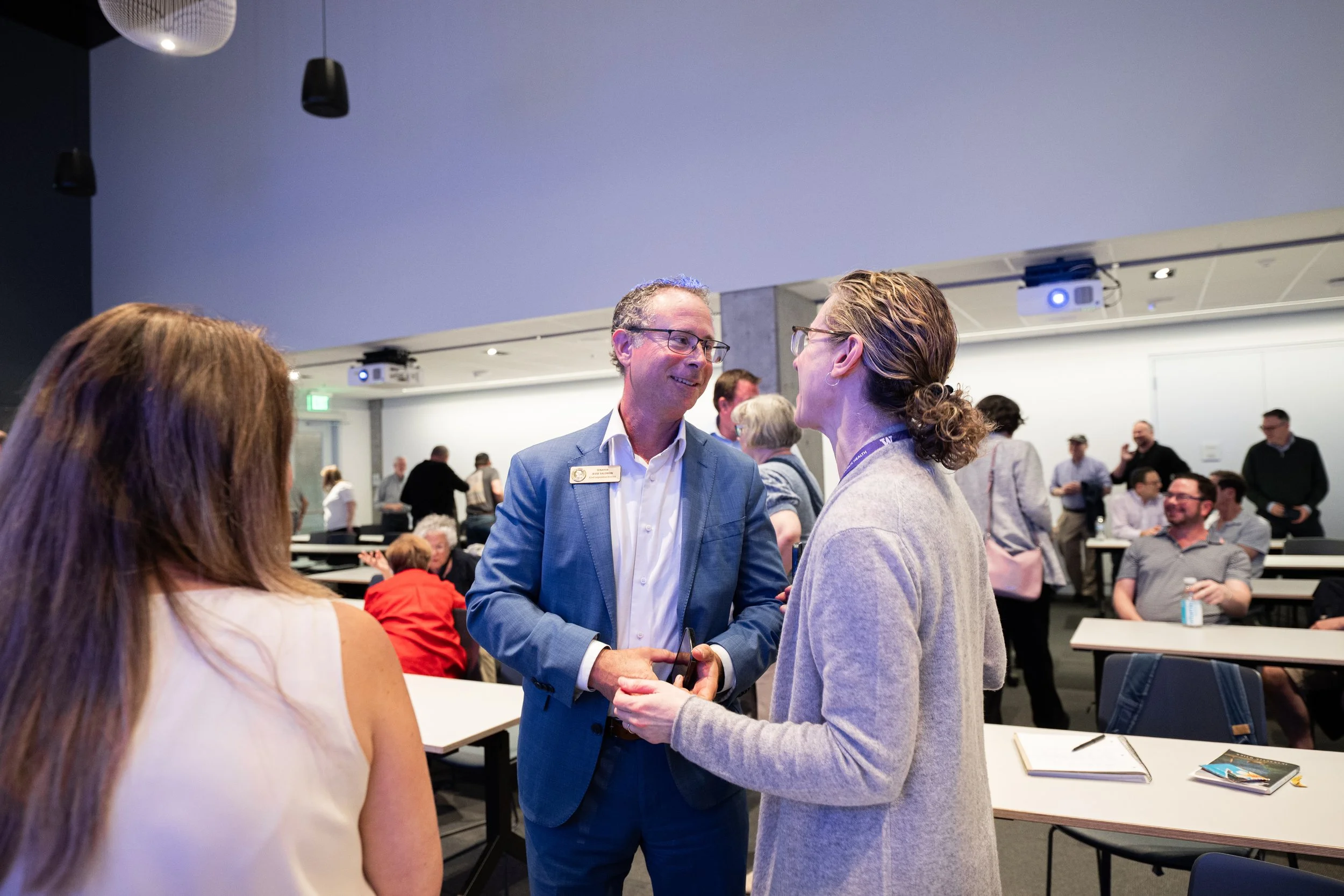
The audience included students, faculty, alumni, education leaders, community members, and elected officials from across Washington state, including UW Provost Tricia Serio; Senator Lisa Wellman, Chair of the Early Learning & K–12 Education Committee in the Washington State Senate; Representative Dr. Mari Leavitt, Deputy Majority Whip for the House Democratic Caucus and a leader of the Postsecondary Education & Workforce Committee; and Senator Jesse Salomon, Chair of the Senate Local Government Committee. Leaders from major Jewish and civic organizations across the region also attended, underscoring the growing recognition that these issues extend well beyond campus politics and are increasingly relevant to public education, civic leadership, and democratic institutions more broadly.
The evening reflected Bridges for Change’s broader mission to expand viewpoint diversity and foster rigorous inquiry at the University of Washington by bringing serious, evidence-based discussion of urgent contemporary issues into public conversation — including topics that are often avoided or insufficiently examined within academic settings.
To receive updates about future lectures, student programs, and public events, subscribe to the Bridges for Change newsletter.